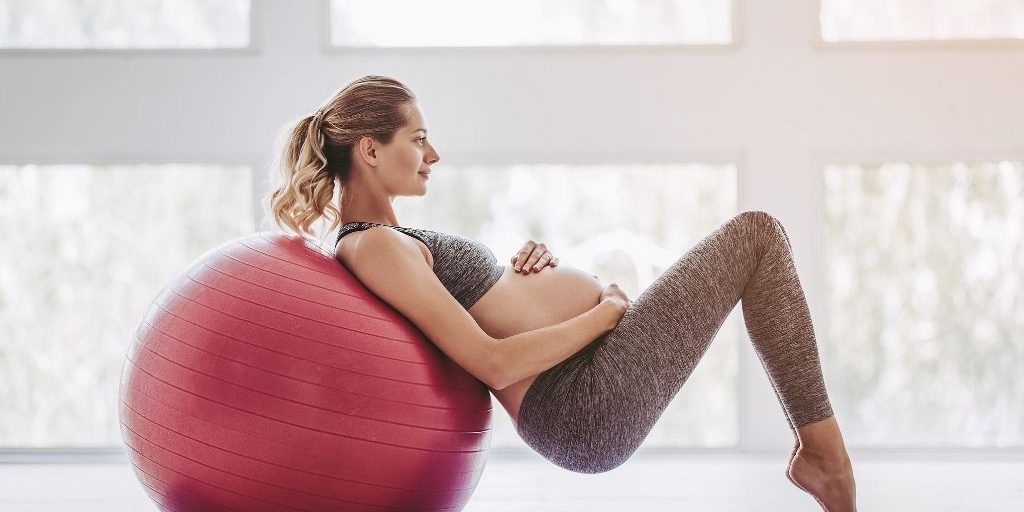
Exercise during pregnancy may offer many benefits for both mother and growing baby. However, please consult your doctor (gynaecologist) first before starting or continuing any exercise during pregnancy, as every situation is different.
Pregnancy exercise is a specially designed exercise programme for women during pregnancy. Benefits of exercise during pregnancy:
- Fitness during pregnancy: Pregnancy training helps maintain strength and endurance.
- Weight management: Exercise during pregnancy, combined with good nutrition, may support healthy weight gain.
- Comfort: Safe exercise during pregnancy may help ease lower-back discomfort.
- Wellbeing during pregnancy: Exercise releases endorphins, which may lift your mood.
- Preparing for birth: Exercise for mums-to-be strengthens muscles used during birth.
- Recovery: Staying active during pregnancy may support your recovery after birth.
- Lower risk of complications: Exercise programmes during pregnancy may help lower the risk of gestational diabetes and pre-eclampsia – please discuss this with your doctor.

Exercise During Pregnancy: General Guidelines
It's important to stress that not every type of exercise is suitable during pregnancy. Pregnancy brings major changes to a woman's body, and some exercises can be risky for both mother and baby. That's why a personal assessment by a specialist trainer – one specialised in general exercise rather than a specific sport – is essential before giving advice on exercise during pregnancy. The specialist can design a personalised programme with specific exercises that don't overload the body but strengthen it safely. This approach makes sure pregnancy exercise is helpful, not harmful, during this sensitive time.
Assuming you've been given the go-ahead by the doctor who is following your pregnancy, here are some general guidelines for exercise during pregnancy:
- Safety first: Choose safe, low-impact activities such as walking, swimming, stationary cycling, or functional training through personal training or small group training. Avoid activities with a high risk of falls or injury, such as contact sports or intense high-impact exercise.
- Listen to your body: Pay attention to how you feel during exercise. If you feel pain, dizziness or shortness of breath, stop exercising, tell your personal trainer and contact your doctor.
- Stay hydrated: Drink plenty of water before, during and after exercise to avoid dehydration. Find out how much water you should drink.
- Warm-up and cool-down: Start your routine with a gentle warm-up to prepare your body and finish with a cool-down to bring your heart rate down gradually.
- Adjust as needed: As your pregnancy progresses, your body will change. Adjust the exercises accordingly, especially in the later stages. Exercise in the first, second and third trimesters is different. Avoid exercises that involve lying flat on your back after the first trimester, as this may reduce blood flow to the uterus.
- Pelvic floor exercises: Include pelvic floor exercises, such as Kegels, in your routine to strengthen the muscles that support the uterus, bladder and bowel.
- Avoid overheating: Avoid exercising in hot, humid weather, as this can raise your body temperature to unsafe levels. Wear comfortable clothing and choose a well-ventilated space.
- Eat well: Make sure you eat a balanced diet that provides enough nutrients for both you and your baby, as exercise increases your nutritional needs.
- Take breaks and listen to your energy levels: Exercise during pregnancy can be tiring, so listen to your body and take breaks when you need to. Don't push yourself too hard.
- Get professional guidance: If you're not sure which exercises or techniques to follow, come to HealthFit Training Studio for a free personal assessment and session, and talk to a wellness trainer who specialises in health coaching.
Pilates during pregnancy
Pilates during pregnancy is a gentle, safe form of exercise, specially designed to meet a woman's needs during pregnancy. Through controlled movements, good breathing and gentle stretching, it may help improve posture, strengthen the core and ease discomfort in the lower back, back and neck. It also helps maintain flexibility and balance, which matter especially as the body changes.
Επιπλέον, το Πιλατες για εγκυους προσφέρει σημαντικά οφέλη και σε ψυχολογικό επίπεδο, καθώς προάγει τη χαλάρωση και μειώνει το άγχος της εγκύου. Η εστίαση στην αναπνοή και στη συνειδητή κίνηση βοηθά στη σύνδεση με το σώμα και το μωρό, ενώ προετοιμάζει τη γυναίκα για τον τοκετό και την ανάκαμψη μετά τη γέννα. Οι ασκήσεις προσαρμόζονται πάντα στο στάδιο της εγκυμοσύνης και εκτελούνται με ασφάλεια υπό την καθοδήγηση εξειδικευμένου εκπαιδευτή στο Studio Pilates Παλαιο Φαληρο HealthFit.
Myths and facts about exercise during pregnancy
Myth 1: Exercising during pregnancy is dangerous.
Fact: Appropriate exercise is safe and beneficial for most pregnant women, with their doctor's approval.
Myth 2: You shouldn't start a new exercise programme during pregnancy.
Fact: You can start gentle exercise after talking to your doctor.
Myth 3: Intense exercise can cause miscarriage.
Fact: Research shows moderate exercise does not increase the risk of miscarriage in uncomplicated pregnancies. Your doctor will advise you on your own pregnancy.
Myth 4: You must keep your heart rate below 140 beats per minute.
Fact: There's no fixed limit, but exercising at a level where you can still talk is recommended.
Free first pregnancy exercise session
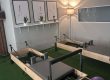
Healthfit Training Studio has the facilities and expertise to offer high-quality pregnancy exercise services. The studio is equipped with modern, safe equipment (Fluiball), specially adapted. Healthfit's trainers are certified and specialised in designing personalised programmes. They have a deep understanding of the particular needs and limitations that come with pregnancy, making sure every exercise is done safely and effectively.

At Healthfit Training Studio, pregnant women can exercise with confidence, knowing they're in capable, experienced hands.
Remember, every pregnancy is unique, so please consult your gynaecologist to discuss your own situation and get personalised recommendations.
Walking in the third trimester
Walking is one of the safest and most effective forms of exercise during pregnancy, including in the third trimester. It's an activity that can offer many benefits for both you and your baby.
Walking in the first trimester
Walking is an excellent exercise choice during pregnancy, especially in the first trimester. It's a low-intensity activity that offers many benefits without putting strain on the baby.
When should you not walk during pregnancy?
Walking is usually a safe and beneficial exercise during pregnancy. However, there are situations where you should limit or completely stop walking, such as: pain, bleeding, contractions, leaking fluid, dizziness or fainting, shortness of breath, swelling in the legs or hands, placenta problems, twins or multiple pregnancy – in any of these cases, contact your doctor.
Always listen to your body and stop walking if you feel any concern.
It's important to work closely with your doctor to decide on the safest exercise programme for you during pregnancy.
Remember: Walking can be a wonderful experience during pregnancy, but safety always comes first.
Are ab exercises allowed during pregnancy?
Exercising the abdominal muscles during pregnancy can contribute to a separation of the abdominal muscles, known as diastasis recti. This separation can cause discomfort in the tummy and affect posture after birth. Ask your doctor and trainer which core exercises are right for you.
How long should you walk during pregnancy?
The ideal length of a walk during pregnancy varies from woman to woman and depends on your general health, your fitness before pregnancy and your doctor's advice.
In general, specialists recommend:
Start slowly: If you weren't used to exercise before pregnancy, start with short 15–20-minute walks and gradually increase the time.
Walk regularly: Aim to walk on most days of the week, but listen to your body.
Adjust the intensity: Walking should be moderate, so you can breathe comfortably and talk while you exercise.
Listen to your body: If you feel pain, dizziness or anything unusual, stop at once, rest and contact your doctor.
Pilates during pregnancy
Pilates, when done correctly and under the supervision of a specialist instructor, can offer many benefits to pregnant women. However, it's important to remember that every pregnancy is different, and an experienced personal trainer who knows about prenatal exercise can create a programme that fits your needs and the specifics of your pregnancy. They'll guide you on correct technique, making sure you don't overdo it and lowering the risk of injury. As your pregnancy progresses, your body changes and your needs change too. A personal trainer will keep adjusting your pregnancy exercise to take those changes into account, offering the support you need and answering all your questions about exercise during pregnancy.
Pregnancy and exercise
Exercise during pregnancy is an important topic for women today. Done correctly and with specialist guidance, it may offer many benefits for both mother and baby. It may improve mood and energy, support better sleep, ease lower-back discomfort and prepare the body for birth and the recovery afterwards. It's important to avoid exercises with a risk of falls or overheating. Every pregnancy exercise programme should be personalised to the specifics of each pregnancy, always under the supervision of a doctor and a specialist trainer.